
In modern industrial operations, precision, efficiency, and reliability are critical factors that determine business success. Companies rely on a combination of calibration, inspection, and logistics to maintain quality standards, streamline workflows, and optimize production outcomes. Understanding how these elements interact is essential for industries aiming to achieve consistent performance, reduce costs, and stay competitive in demanding markets.
Understanding Calibration
What is Calibration?
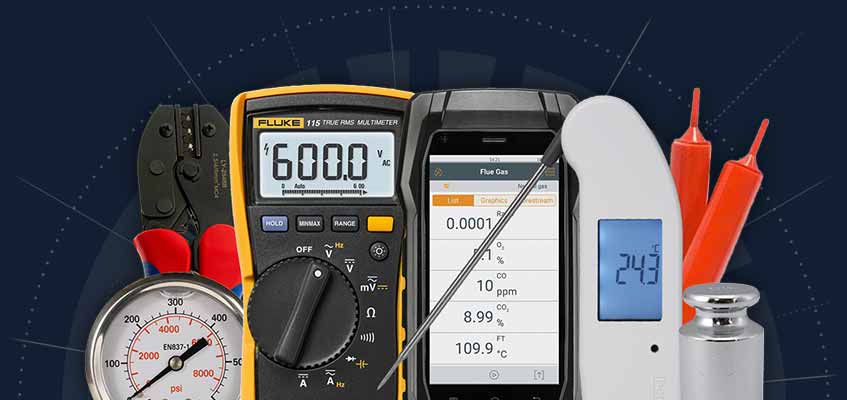
Calibration is the process of adjusting and verifying equipment to maintain accuracy and performance within specified limits. It applies to measuring instruments, testing tools, and production machinery used across industrial operations.
Importance of Accurate Calibration
Accurate calibration reduces errors, minimizes material waste, and maintains consistent product quality. Industrial machines, sensors, and devices often drift over time, and regular calibration helps restore them to optimal performance levels. This process is crucial for precision manufacturing, chemical production, and other sectors where even minor deviations can have significant consequences.
How Calibration and Inspection Improve Quality
Many people wonder: how do calibration and inspection improve quality? Calibration and inspection work hand-in-hand to maintain operational excellence. Accurate calibration means machinery performs reliably, while inspection identifies deviations, faults, or potential failures early. Together, these processes help industries maintain high standards, reduce rework costs, and increase overall productivity.
The Role of Inspection
Types of Industrial Inspection
Inspection methods vary depending on the machinery or product type. Common approaches include:
- Visual Inspection: Detects surface defects, wear, or misalignment.
- Mechanical Testing: Measures durability, strength, or precision of components.
- Digital or Sensor-Based Checks: Uses advanced monitoring systems to detect anomalies in real time.
Benefits of Regular Inspection
- Detects faults before they affect production
- Minimizes material waste and rework costs
- Helps maintain consistent product quality
- Supports compliance with regulatory standards
By combining calibration with regular inspection, industries can prevent minor errors from escalating into costly problems, creating a foundation for high-quality outputs.
Logistics in Industrial Operations

Supply Chain Management

Logistics guarantee smooth movement of raw materials, components, and finished goods across production sites and markets. Understanding the role of logistics in industrial operations helps businesses optimize transportation, reduce delays, and maintain uninterrupted production.
Transportation and Delivery Solutions
A trusted logistic company in Pakistan provides safe and timely transportation of materials and products. Effective transport solutions prevent delays in production lines and ensure that supply chains operate efficiently.
Warehousing and Inventory Management
Beyond transportation, logistics includes proper warehousing and inventory management. Organized storage, tracking, and handling of materials reduces the risk of stockouts, prevents damage, and maintains smooth operational flow.
Integration of Calibration, Inspection, and Logistics
How the Three Processes Work Together
Calibration guarantees equipment accuracy, inspection identifies potential problems, and logistics guarantees the timely delivery of materials and products. When these processes are integrated, industries reduce downtime, prevent production bottlenecks, and maintain high-quality outputs consistently.
Case Study: Manufacturing Efficiency
In a manufacturing facility producing precision components, routine calibration guarantees machinery accuracy, inspections detect deviations early, and logistics ensure that components reach assembly lines on schedule. Even minor delays or errors can escalate into costly production interruptions, showing the importance of coordinated processes.
Benefits of a Coordinated Approach
- Higher Product Quality: Consistent calibration and inspection maintain reliable standards.
- Reduced Operational Costs: Early detection of faults prevents waste and rework.
- Improved Supply Chain Reliability: Efficient logistics support continuous production and timely delivery.
- Regulatory Compliance: Documented calibration, inspection, and logistics practices satisfy audit requirements.
This coordinated approach not only improves production outcomes but also builds customer confidence in industrial products and services.
Choosing the Right Partners
Calibration and Inspection Partners
Certified technicians and accredited laboratories provide precise results and traceable documentation. Partnering with experienced professionals guarantees reliability and confidence in your quality control processes.
Logistics Partners
A capable logistics company in Pakistan guarantees the safe and efficient movement of raw materials, components, and finished products. Reliable logistics partners help maintain production schedules, reduce downtime, and provide documentation for audits or compliance purposes.
Final Thoughts
Calibration, inspection, and logistics are critical pillars of industrial success. Integrating these processes maintains product quality, improves operational efficiency, and supports long-term business growth. Companies that strategically combine accurate calibration, thorough inspection, and reliable logistics can respond to market demands faster and maintain a competitive edge.
MH Engineering Pvt Ltd provides expert calibration, inspection, and logistics services, helping industries maintain high standards, reduce operational risks, and achieve excellence in industrial operations.
