
Equipment is the heartbeat of industrial operation. When machines and instruments falter, your workflow falters too. Worse, ignored issues can silently threaten safety, quality, and efficiency. Understanding inspection and calibration requirements helps you catch problems early and keep your operations steady and safe.
Why Immediate Attention Matters
Inspection and calibration are not optional checkboxes. They are essential to ensure tools and equipment deliver accurate results, protect workers, and meet regulatory standards. Ignoring them invites safety risks of uncalibrated equipment, which could mean unsafe conditions, failed audits, or incorrect data, driving bad decisions.
Signs Your Equipment Is Struggling
1. Erratic or Inconsistent Results
When an instrument starts giving variable readings under consistent conditions, that’s a major red flag. Inconsistent or fluctuating measurements point to calibration drift, where internal sensors no longer align with expected performance. This not only affects quality outcomes but can disrupt production planning and decision-making.
2. Missed Routine Calibration Intervals
Every piece of equipment comes with a recommended service cycle for inspection or calibration. If that schedule slips, accuracy slips too. Devices that go past their due dates without checks are prime candidates for failure. When equipment inspection can’t be delayed, it is often tied directly to overdue cycles that have been ignored or postponed.
3. Visible Wear, Damage, or Corrosion
You might think an instrument looks fine, but even minor physical damage like dents, worn housings, or loose parts can distort readings. Visual wear is more than cosmetic; it can compromise internal mechanisms and signal an urgent need for calibration or inspection.
4. Frequent Quality Control Failures
If your quality checks start returning out-of-tolerance results or more product batches fail inspection tests, your equipment may be the culprit. This isn’t just annoying; it can damage your brand reputation, lead to recalls, and drive costly rework.
What Happens If You Ignore These Signs?
Delaying attention may feel like saving time in the moment, but it’s a short-term illusion. Ignored inspection or calibration needs can lead to:
- Unsafe operating conditions due to inaccurate pressure, temperature, or force readings.
- Production downtime while faults are traced back to faulty instruments.
- Costly rework and product waste when off-spec data leads to errors.
- Regulatory trouble and fines during audits.
- These risks can compound quickly, especially in regulated industries.
How to Address the Problem
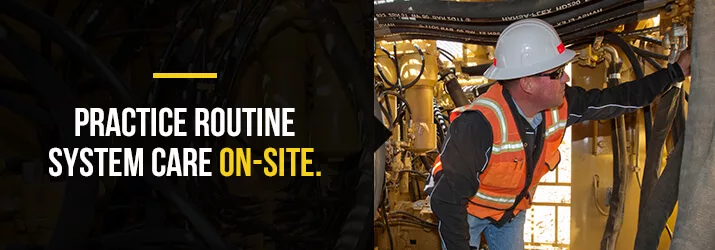
Proactive maintenance is your best defense. You can set up internal checks to catch minor issues before they escalate, but for precision instruments, enlisting professional inspection and calibration services is often essential. Partnering with reputable third-party inspection companies in Pakistan helps ensure your equipment meets standards reliably and consistently.
Final Thoughts
Recognizing the signs that your equipment needs a tune-up or calibration isn’t about being cautious; it’s about being smart. Watch for inconsistent results, overdue calibration cycles, visible damage, or spikes in quality failures. Acting quickly protects your workforce, maintains product quality, and keeps your operations compliant. If your team needs support in setting up a robust inspection or calibration plan, MH Engineering Pvt Ltd can help you build proactive systems that keep downtime low and performance high.
Reach out to MH Engineering Pvt Ltd to secure precise, reliable performance for your equipment before small issues become big problems.
