
Pakistan’s coastal belt is a critical hub for trade, tourism, and local communities. Efficient transport infrastructure here is not just convenient; it’s essential for economic growth. Smart transportation for coastal regions can transform how goods move, people commute, and ports operate along the coastline, creating seamless connections from Karachi to Gwadar and beyond.
The Importance of Coastal Connectivity
Strong transport links along the coast ensure goods reach markets quickly and safely. Coastal highways and integrated logistics networks reduce congestion at ports, improve delivery timelines, and support local industries. Coastal highway connectivity in Pakistan is a cornerstone for connecting major ports, industrial zones, and urban centers. Improved roads and smart traffic management reduce delays and increase the reliability of supply chains.
Challenges Facing Coastal Transportation
Transport along Pakistan’s coast faces unique hurdles. Saltwater corrosion, flooding, and unpredictable weather conditions can damage vehicles and infrastructure. Overloaded routes near ports can slow trade, while outdated monitoring systems make traffic management difficult. Without modern planning, sustainable transport systems in coastal areas remain elusive, increasing costs and emissions.
Smart Transportation Strategies
1. Digital Traffic Management
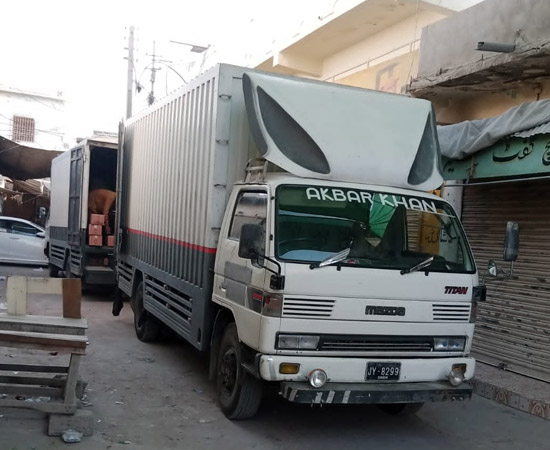
Using sensors, GPS tracking, and intelligent signal systems, traffic flow can be optimized for both freight and passenger vehicles. Real-time monitoring helps prevent bottlenecks and accidents, making travel along coastal corridors safer and faster.
2. Integrated Port and Road Systems
Ports are the lifeline of coastal trade. Synchronizing loading schedules, vehicle dispatch, and road infrastructure ensures smoother operations. Coastal trade and logistics connectivity benefits directly from such integration, cutting delays and improving efficiency for exporters and importers.
3. Sustainable Transport Options
Incorporating electric vehicles, hybrid ferries, and energy-efficient trucks reduces the environmental impact along coastal regions. Green transport initiatives also preserve local ecosystems, which is critical for long-term sustainability and tourism.
4. Maintenance and Resilient Infrastructure
Regular monitoring of roads, bridges, and port facilities helps identify wear and tear before it causes major disruptions. Smart sensors can alert authorities to structural weaknesses, ensuring preventive maintenance and uninterrupted transport operations.
Economic and Social Benefits
Smart transportation improves not only trade efficiency but also the daily lives of coastal communities. Reduced travel time, safer roads, and better access to markets create opportunities for businesses, increase employment, and promote regional development. Tourists also benefit from well-connected routes, encouraging sustainable tourism along the coast.
Conclusion
Enhancing transportation along Pakistan’s coastal belt is more than infrastructure development; it’s about integrating technology, sustainability, and smart planning to support commerce and communities. By embracing smart transportation for coastal regions, stakeholders can unlock faster trade, safer travel, and long-term economic growth.
MH Engineering Pvt Ltd is ready to support projects that improve coastal transport networks with reliable solutions that prioritize efficiency and sustainability. Connect with us to explore strategies that keep Pakistan’s coastal belt moving smoothly and smartly.
