
Pakistan’s export sector depends heavily on efficient transportation networks that support large-scale trade activities. Among these networks, coastal transport plays a growing role in strengthening supply chains, reducing congestion on inland routes, and supporting long-term industrial expansion. As global trade volumes increase, coastal connectivity is becoming a strategic asset for national economic growth.
Strategic Importance of Coastal Routes
Geographic Advantage
Pakistan’s long coastline offers direct access to major international shipping lanes. Ports located along this stretch serve as critical gateways for exports related to textiles, energy products, chemicals, and bulk commodities. Coastal movement supports smoother cargo flow between ports and nearby industrial zones, creating faster links between production hubs and global markets.
Reducing Inland Pressure
Overreliance on road freight has placed stress on highways and increased logistics costs. Coastal shipping provides an alternative channel that reduces dependency on congested road networks while supporting high-volume cargo movement across shorter maritime distances.
Supporting Industrial Supply Chains
Industrial Movement Along Coastal Zones
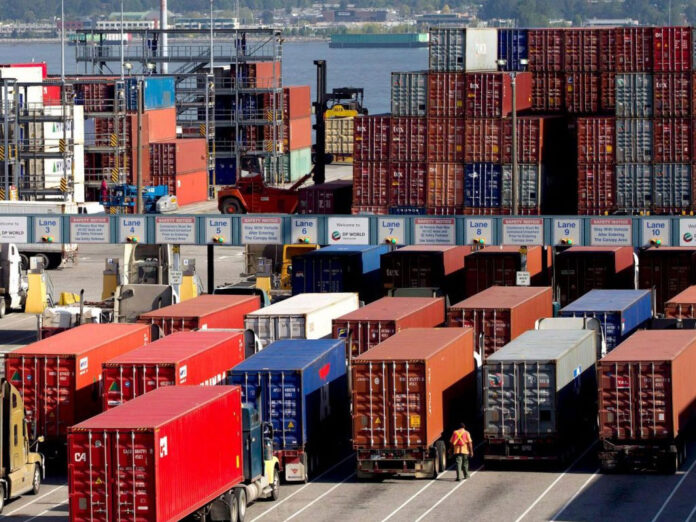
Industrial clusters located near ports benefit significantly from industrial coastal transport, which supports bulk material handling and consistent cargo scheduling. This transport mode serves sectors such as cement, oil and gas, fertilizer, and heavy manufacturing, where large shipments require stable and cost-efficient movement.
Dedicated coastal routes also strengthen connections between refineries, power plants, and export terminals, supporting uninterrupted industrial operations.
Integration Into Export Logistics
When coastal shipping links are integrated into national logistics planning, exporters gain flexibility in shipment planning. This integration contributes to smoother cargo transitions between sea, rail, and road networks, reducing transit delays and operational disruptions.
Role of the Coastal Belt
The development of coastal belt transportation in Pakistan supports economic activity across port cities and nearby industrial areas. This transport network encourages investment, job creation, and infrastructure development along coastal regions, strengthening local economies while supporting export growth.
Improved coastal logistics also support regional trade corridors, particularly for bulk and containerized exports heading toward Middle Eastern, African, and Asian markets.
Trade Growth and Cost Efficiency
Improving Export Competitiveness
Efficient coastal transport directly contributes to improving trade through coastal transport, especially for exporters dealing in high-volume goods. Lower fuel usage per ton, reduced handling steps, and predictable shipping schedules help control operational expenses.
These efficiencies strengthen Pakistan’s competitive position in global markets where delivery reliability and pricing influence buyer decisions.
Environmental and Operational Benefits
Coastal shipping produces lower emissions per unit of cargo compared to road freight. This supports sustainability goals while improving operational stability for exporters managing long-distance supply chains.
Bottom Line
Coastal transport plays a vital role in supporting Pakistan’s export ambitions. From easing inland congestion to supporting industrial supply chains and regional development, coastal connectivity strengthens trade performance and economic resilience. Strategic planning and infrastructure development remain key drivers in unlocking the full potential of coastal logistics.
MH Engineering Pvt Ltd supports industrial and transport development projects through professional engineering consultancy, helping organizations strengthen logistics planning and infrastructure performance.
